November 7, 2026
El Niño in Máncora: what the data says and what the headlines say
Máncora is sunny with good waves right now. What Peru's official agencies actually warn about for summer 2027, and how to plan your trip without panic or wishful thinking.
If you search for Máncora online these days, you run into headlines like “Mega Niño”, “the strongest in history” and “300 millimeters of rain”. And if you come to the beach, you find sun, warm water and good surf. Both are true, because they describe different moments. This guide separates what is happening today from what is expected, so you can decide calmly.
What is happening in Máncora today
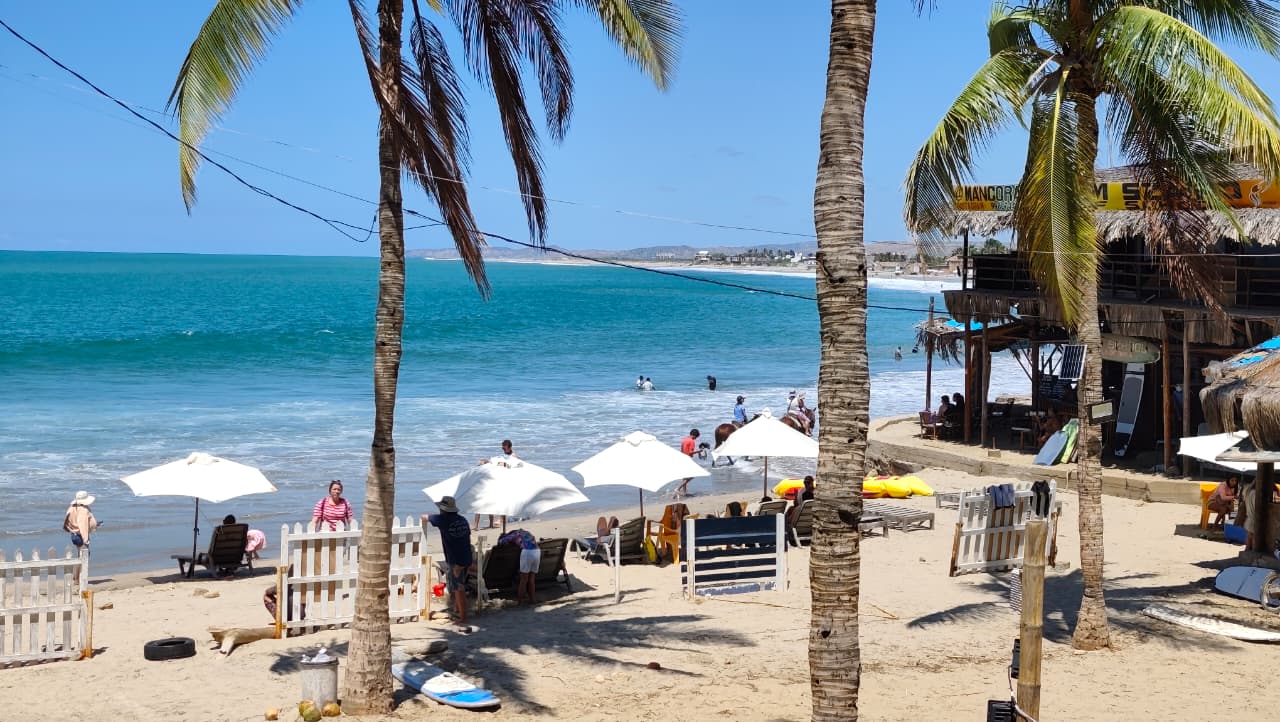
In early November 2026 the weather in Máncora is sunny and the surf is good. It is one of the best times to visit: beach, surf, kite and normal town life. The heavy rain of recent weeks has mostly fallen further north, in Tumbes.
What the official sources say
- ENFEN, Peru’s national El Niño study committee, keeps the Coastal El Niño Alert in place (statement of October 30). It expects “extraordinary” sea warming until February 2027, then a gradual weakening through June.
- For the north coast it forecasts above-normal rain from November to January, with moderate to strong episodes, and more intense and frequent rain during summer 2027.
- Senamhi, the national weather service, agrees: rain would become more frequent and intense from December.
- Sea level will stay above normal. If anomalous swells arrive, the risk of coastal erosion and flooding rises.
- ENFEN’s next statement is scheduled for November 13.
Where the headlines exaggerate
- “Mega Niño” is a name some experts use. It is not a Senamhi category.
- “300 millimeters” is presented by Senamhi as a possible scenario for specific areas of Piura and Tumbes, not as a forecast. The closest historical reference is 2017, when Piura recorded 200 to 240 mm in a single day.
- “Extraordinary” refers to sea temperature. It does not mean the rain will match 1997 and 1998.
- Rain forecasts are probability ranges, not certainties. And “more rain than normal” in a coastal desert is not “the end of the world”.
None of this makes the topic trivial: Piura and Tumbes have vulnerable areas, especially next to ravines and rivers. But an alarmist headline today scares travelers away during a season when Máncora is at its best.
How to plan your trip
- November and December are a good window: good weather and good waves.
- January to March is when the heaviest rain is expected. If you travel then, go flexible.
- Book with free cancellation or date changes, and ask about the policy before you pay.
- If you can, buy travel insurance that covers weather cancellations.
- Leave a day of buffer before a flight: the Pan-American Highway can close in heavy rain.
- Do not stay next to ravines or dry riverbeds, and ask your accommodation about the risk in its area.
- Check ENFEN and Senamhi the week before you travel.
Where to sleep in Máncora
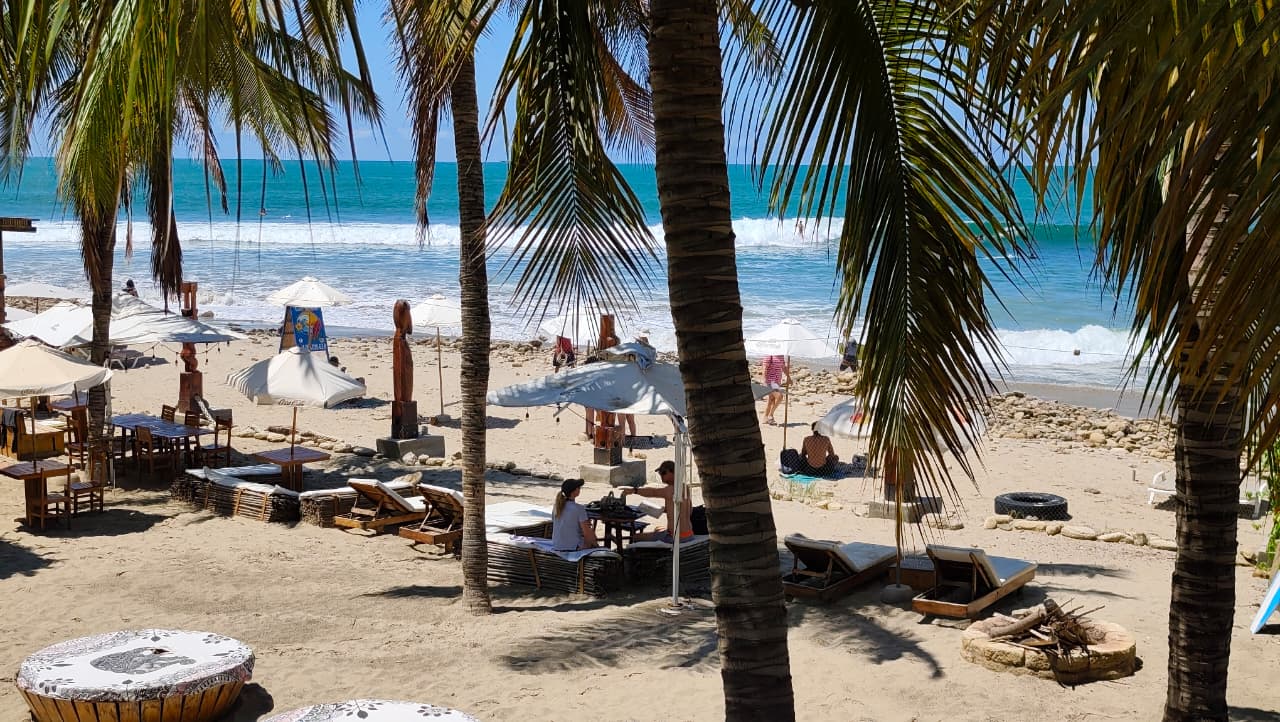
On PuroMáncora you will find places to stay with direct WhatsApp, so you can ask about current weather and the change policy before booking.
Sources
- Official ENFEN statement No. 19-2026
- Senamhi: which regions will get more rain (Infobae, October 20, 2026)
- Coastal El Niño would last until autumn 2027 (Infobae, September 29, 2026)
- Senamhi and up to 300 mm of rain in Piura and Tumbes (Diario Correo)
Updated November 8, 2026. Forecasts change: always confirm with ENFEN and Senamhi.